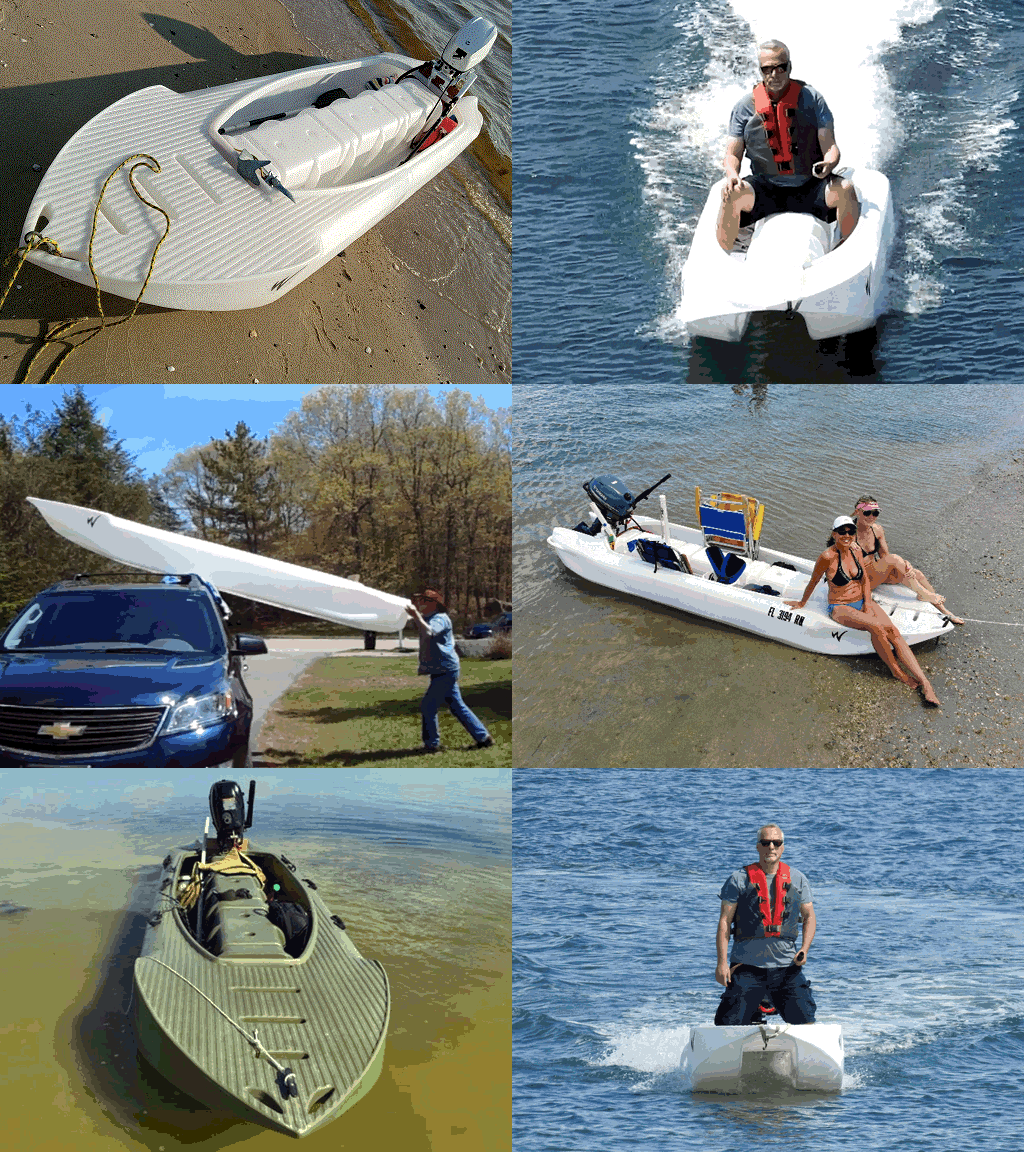
Tandem kayaking isn’t easy, especially when you have to do some portaging as you move from one body of water to another.
This movie shows how much easier everything is with the Wavewalk 500 kayak:
You can launch it practically anywhere, paddle and pole anywhere, and beach it anywhere, and you get to keep your feet dry – always.
Portaging is a breeze – just attach a strap or a leash to this kayak, and pull. It’s light weight and flat hulls allow you to carry it in rough terrain and across long distances.
This is the world’s stablest kayak, and its passengers can paddle it standing or in the comfortable and powerful Riding position.
It’s the ideal kayak for both Touring and Fishing, as it offers unrivaled mobility and more storage space than any other kayak.
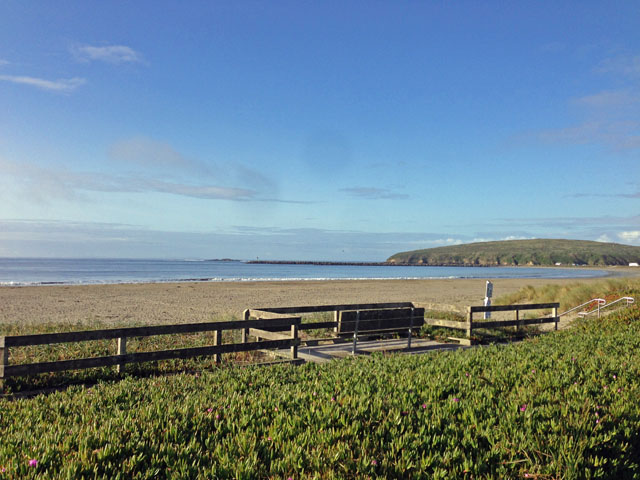
This video was shot in Borderland State Park, in Massachusetts.
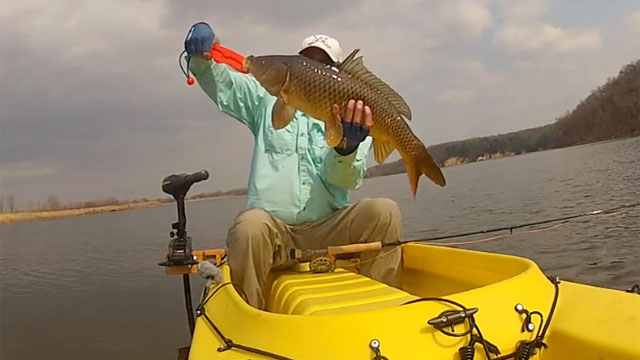
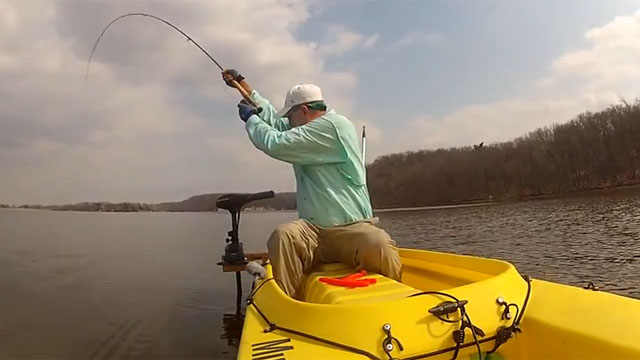
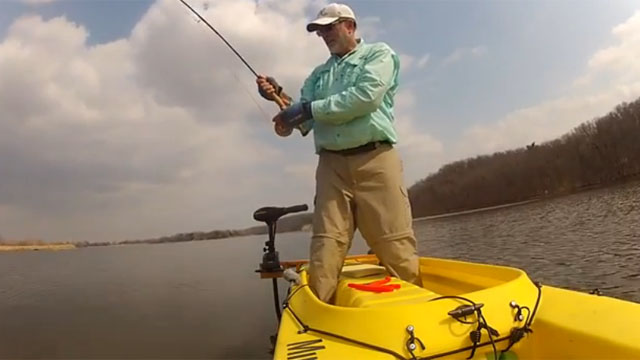
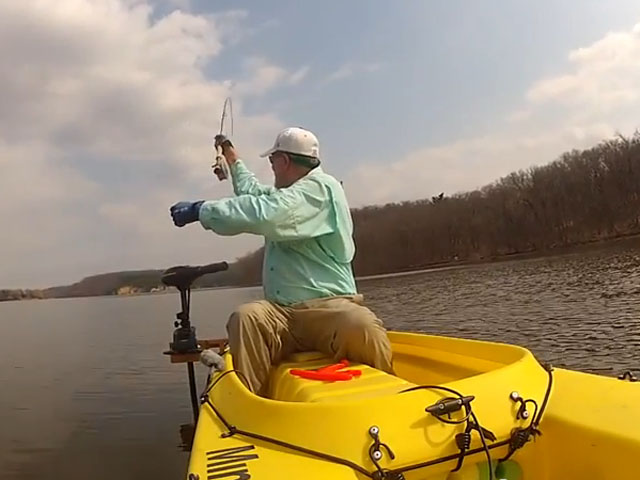
A little known technique in the inland north country is sight fishing for carp with a fly rod. It is EXACTLY the same as fishing for redfish on a saltwater flat somewhere. Having the ability to fly fish from a kayak allows you to reach ‘skinny water’ very quietly, which is essential when fishing for carp. The stability of the W500 is perfect for stand-up casting, and for landing one of these beasts if you are fortunate enough to hook one.
This particular spot has only been open water for about a week. It’s been a long winter. The water was relatively clear, with no wind, and partly sunny skies…perfect for sight casting! It took 15 minutes or so to spot my first fish. It was pretty far away, so I had to guess as to which end of the shadow was the head of the fish. A perfect cast, but a wrong guess! The next cast was in front of him, and he hit it immediately. The battle was on!
Have you ever seen a picture of the underside of a sit-on-top (SOT) kayak? –
It’s unique, and the bottom of no other vessel looks like it.
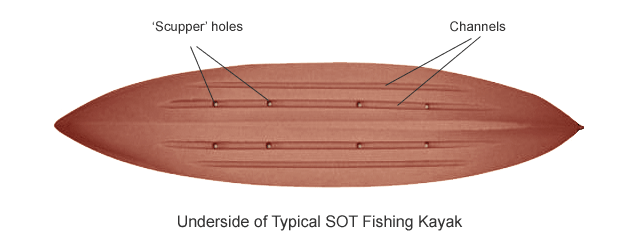
Below is a figure showing what a typical SOT kayak looks like when it’s turned over:
Understanding the design of SOT kayaks’ underside
The ‘scupper’ holes
The most striking feature in a SOT kayak’s hull are the holes in it:
All SOT kayaks feature vertical holes connecting their deck to the water below. Kayak manufacturers call them ‘Scupper Holes’ and claim they were introduced into the SOT design as means to drain water from the kayak’s deck, similarly to what scuppers do in normal boats.
The truth is different –
To begin with, these vertical holes were introduced into the SOT kayak design not as means to drain their deck but for a totally different reason: They support the deck from crashing down as the user sits on top of it –
Kayaks’ hulls have thin plastic walls, and SOT kayaks’ hulls have a general form of an empty and flattish eggshell that’s not very strong, which is why its top side (let’s call it the ‘roof’) requires reinforcement.
The way to support the roof of a large structure is by means of vertical columns, and that’s essentially what scupper holes are: vertical, molded-in plastic tubes that act as supporting columns for the kayak’s deck.
This explains why scupper holes are rather dysfunctional as drainage holes – They were not designed as such in the first place.
So next time you paddle a SOT kayak and you notice water splashing through the scupper holes onto the deck as a result of the kayak moving in the water (that’s what kayaks are supposed to do), you’ll know why the manufacturer just had to put these holes there, and why the sensible solution of letting water drain from the kayak’s deck to its sides didn’t get adopted…
The faulty hydrodynamics of scupper holes
Any detail in a vessel’s hull that can generate a noticeable change in the regular flow of the water is unwanted since it increases drag (resistance) and makes it harder to move the vessel. In other words, it slows the vessel down.
Therefore, a hull that features multiple drag generating elements such as scupper holes is very slow, and in kayaking terms it’s hard to paddle or pedal it forward at an acceptable speed without the kayaker making an unusual effort.
Call it a barge and you’d be spot on.
Channels and Tunnels
The second striking element that SOT kayak feature on their underside are channels sometime called tunnels. These are the long and narrow grooves stretching along the hull’s middle section.
Why are they there? –
Water cannot be compressed, and it doesn’t like to be forced into narrow and long structures such as these. When it does, it generates friction (Frictional Resistance – FR) and turbulence, and thereby even more drag making the kayak even harder to move, I.E. much slower.
Kayak designers know these facts, or at least they’re supposed to be aware of them, so why do they add such channels to their kayaks’ underside? –
The typical answer you’d hear at a kayak dealership is that channels add to the kayak’s tracking capability. This should be a good thing because SOT kayaks or at least those designed to serve anglers track exceptionally poorly, which is why nearly all of them come equipped with a rudder (yet another undesirable element). But if a kayak features a rudder, it doesn’t need such channels molded into its underside…
So this common explanation is false, and it masks reality –
If indeed channels are there to improve tracking, why does only the middle section of SOT (and ‘hybrid’) kayaks feature them? It would make sense to make such channels longer, so they produce a more noticeable tracking effect, wouldn’t it?
Well, the reality is that such channels are essentially yet another means to reinforce the SOT kayak’s hull, which is why they coincide with scupper holes –
Knowing that the lower end of scupper tube generates considerable drag as it comes in contact with water, the kayak designer may attempt to position it higher, that is at the top side of a narrow tunnel, such as can be observed in the above image.
It doesn’t really work, simply because the kayak sinks lower in the water as soon as it is loaded with a passenger, and if that passenger happens to be an angler, the load is heavier since it includes fishing gear as well.
Other SOT kayak underside elements that slows it down
If you thought that kayak designers and manufacturers would stop at scuppers and channels, you were wrong. In fact, in the race between kayak manufacturers to overdo each other by introducing details and accessories in increasing numbers, many SOT kayaks today feature additional elements that generate extra drag, and further slow you down –
Those include fins, keels and skegs, and pedal driven kayaks feature flapping fins or propellers.
The additional effort required to propel SOT or hybrid kayaks that feature such elements is significantly greater than the effort required to propel simple sit-in kayaks of similar proportions, and it’s much greater than the effort required to propel a W kayak.
Clearly, as SOT kayaks become bigger, wider, heavier, over accessorized and dysfunctional through clutter, we are witnessing the end of a design cycle that began sometime in the end of the 1960s, when people started outfitting paddle boards with seats and footrests and called them sit-on-top kayaks…
Are you looking for a stable kayak for photography?
You may already know what to look for, but you may also wonder what questions to ask and what issues you should be aware of. This article will attempt to encompass and summarize the main aspects of kayak photography that you may want to consider when you’re looking to choose a kayak for this demanding application.
Ergonomic and stability considerations
Many kayakers shoot scenic photos out of their kayaks as part of their fishing trip or paddling excursion, but not too many wildlife photographers like to shoot from kayaks, because these small, unstable, wet and uncomfortable craft don’t inspire their confidence, and it’s hard to get excited about spending long hours in one of them –
Photographers who specialize in wildlife photography, mainly bird photography, spend countless hours outdoors, paddling, motorizing, and just waiting in place, patiently, and they have or should have special requirements from a kayak –
The photographer needs to be comfortable in their kayak, and not suffer from the typical physiological issues these basic vessels are associated with, which are lower back pain (a symptom know as ‘yak back’), leg numbness, leg cramps, and in extreme cases even sciatica. In order to avoid suffering from these problems, the photographer should avoid being seated in the L position, which is the traditional kayaking position at the root of these problems. Sitting in positions that are similar engenders similar ergonomic problems as well as others that range from increased instability to bad circulation in the legs.
Wetness is yet another problem associated with sit-in, sit-on-top (SOT), and hybrid kayaks (hybrid canoe-kayak), since they don’t offer sufficient protection to their passengers, and most SOT kayaks even let water get on their decks and passenger sitting area through vertical tubes ironically dubbed ‘scupper holes’…
Currently, W kayaks are the only ones that offer their passengers to sit in the comfortable and stable Riding position – high, free of back pain, and dry.
Standing up
It is imperative for wildlife kayak photographers to be able to stand up at will, with no need for particular efforts in getting up, standing, balancing and sitting down.
Standing up must be possible anytime and anywhere, regardless of wind, eddies, etc. , and this is true even if the photographer is middle aged or elderly and not particularly athletic. Standing up in your kayak is important as means for you to relax, stretch and overcome fatigue, as it’s important for scouting and shooting photos above the grass and vegetation. This obvious, common-sense requirement rules out all kayaks for this matter, except Wavewalk’s .
Practically speaking, there is no way or reason to dissociate the user experience in ergonomic terms from their experience of comfort based on the kayak’s stability, or lack thereof. A kayak that’s insufficiently stable, as most kayaks are, is by definition and practice uncomfortable and not suitable for photography, and no sensible wildlife photographer should consider using it.
This video demonstrates the stability of a W500 kayak, and while watching it, remember that the newer and bigger W720 and S4 are far more stable. Note how simple, easy and intuitive it is to get up and stand in it, sit down instantly, regain balance while standing and riding the saddle, and all while the cockpit and the kayaker in it stay dry:
Range of motion
Ergonomics isn’t just about comfort, which traditional kayaks offer too little of. It’s also about the user’s range of motion – Imagine yourself seated in a traditional sit-in or SOT kayak, holding your precious camera in both hands, trying to follow with the lens a bird flying above you… Chances are you’d lose balance and overturn your kayak, or stop trying to shoot that bird simply because your kayak isn’t stable enough, and your ability to balance it is limited by the fact that you’re sitting in the L position, with your legs stretched forward. In contrast, the Wavewalk design offers you a much higher degree of stability, a better way to stabilize yourself while riding its saddle, and consequently a full range of motion, as you can turn sideways and backward, as well as raise your glance upward and look over your shoulder with no fear of losing balance.
Mobility- a kayak that takes you where you want to go
Mobility is is yet another key factor in using a kayak for photography – It’s not just about launching and beaching in difficult spots, but also about paddling (and poling) in shallow water as well as in areas where paddling can be obstructed by vegetation and obstacles such as rocks and fallen trees. In this sense, you need a kayak that offers you an easy way to go where other kayaks prevent you from going, including over submerged rocks and tree trunks, and the only kayak that does that is a Wavewalk.
Practically, you may not need to travel through difficult waters, but you need to be aware of the fact that traditional kayaks of all types offer limited mobility, which could restrict you.
Storing your photographic gear on board your kayak
Photographers need ample storage space for their photographic equipment, which includes cameras, tripods and lenses, which must be kept dry. This is a problem when all kayaks are concerned, except the Wavewalk. This unique kayak design offer several times more storage space than any other kayak may offer, and its storage space is internal, meaning that it’s dry and protected from unwanted moisture, such as eddies spraying water on a SOT kayak’s deck, or waves splashing inside a sit-in kayak (SIK). A Wavewalk 700 or S4 carrying hundreds of pounds of payload still offers plenty of free board – several times more than any other kayak does. Moreover, since the Wavewalk does not feature hatches for storage but rather single, big, continuous space in the cockpit and hull tips, the photographer using this kayak enjoys unrestrained access to their gear, which isn’t the case for gear stored in kayak hatches. The Wavewalk’s huge storage space offers you to customize it through the use of containers of various size and shape, according to your specific needs.
Transporting and carrying your kayak
Kayaks need to be car topped, and they also need to be carried to the water and back from it to your vehicle. If you’re serious about wildlife photography, chances are that getting from your vehicle to the water could involve going over a significant distance, and often in difficult terrain. Both car topping and carrying (a.k.a. portaging) exclude the use of typical sit-in, SOT and hybrid fishing kayaks that are designed to offer more stability through sheer size: Such extra-wide kayaks are too heavy to be practical – Some of them weigh 100 lbs, and others up to 140 lbs, and since your photographic equipment can be heavy too (how much does your tripod weigh?…) you’d be effectively prevented from taking trips to places you could easily reach with a W720, which weighs only 85 lbs, and can be loaded with gear and simply pulled by a leash, like a sled, even in difficult terrain. If you don’t like the idea of dragging your W720 on the ground, outfitting it with a single transportation wheel or a pair of such wheels is a breeze.
Propelling your kayak
Paddling your kayak while looking for a subject worth photographing is fun if it’s done on flat water, or over relatively short distances, but when it comes to long trips and long distances, especially in moving water, motorizing your kayak is an idea that’s worth your consideration. This article is not the right place to discuss all aspects involved in motorizing your kayak for photography, but it’s worth mentioning that while electric motors are silent and offer the advantage of stealth, gas outboard motors are a better solution for covering long distances in moving water, and you can enjoy stealth when you need it by reverting to your paddle. In any case, using a kayak equipped with a pedal drive is the least productive idea because doing so wouldn’t necessarily increase your range of travel, using such kayaks in shallow water where aquatic vegetation is abundant is impractical since those kayaks draft more, and their moving flaps and propellers get entangled in weeds. Too bad that such shallow water and vegetation-rich environments are great for photographing aquatic wildlife…
Camouflage
Kayaks from the W700 series are offered in two standard colors – Yellow, and Gator Green, which blends well with aquatic environments that are popular with wildlife photographers. The S4 is offered in white and Gator Green. The Gator green color is also good as base for camo colors and patterns. Camouflaging a kayak is very easy if you use spray paint for outdoor plastics.
Outriggers (Stabilizers)
Few people use outriggers for kayak fishing, and these accessories are even less popular among people who use kayaks for wildlife photography. In both applications, outriggers impede you, restrict your range of travel, and tend to be problematic in shallow, vegetation-rich water.
In sum, Kayak photography and kayak fishing have many things in common, and it’s possible to infer what could work for photography from reading what works for fishing, as well as from watching videos on this subject. You are welcome to visit this website, read customer reviews and articles, and watch videos contributed by clients and produced by us.
Please feel free to call or email us with any question you have about photographing from a kayak. We look forward to your questions and comments.