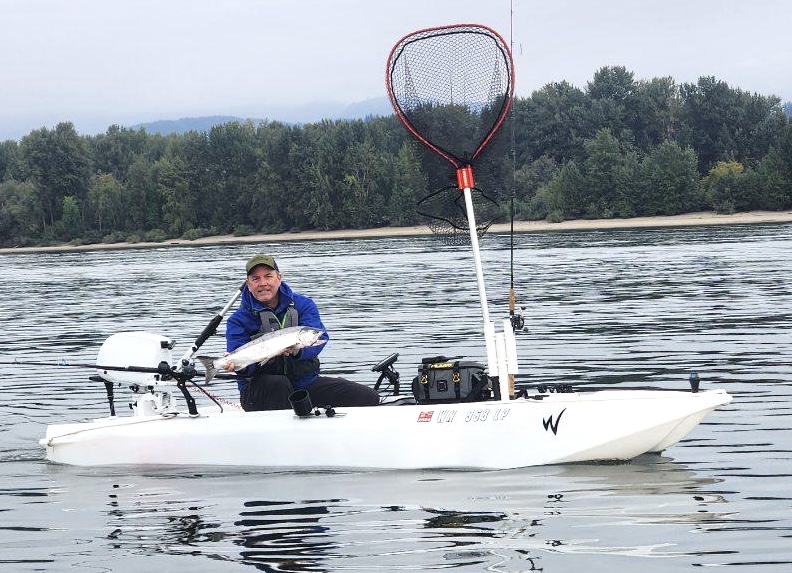
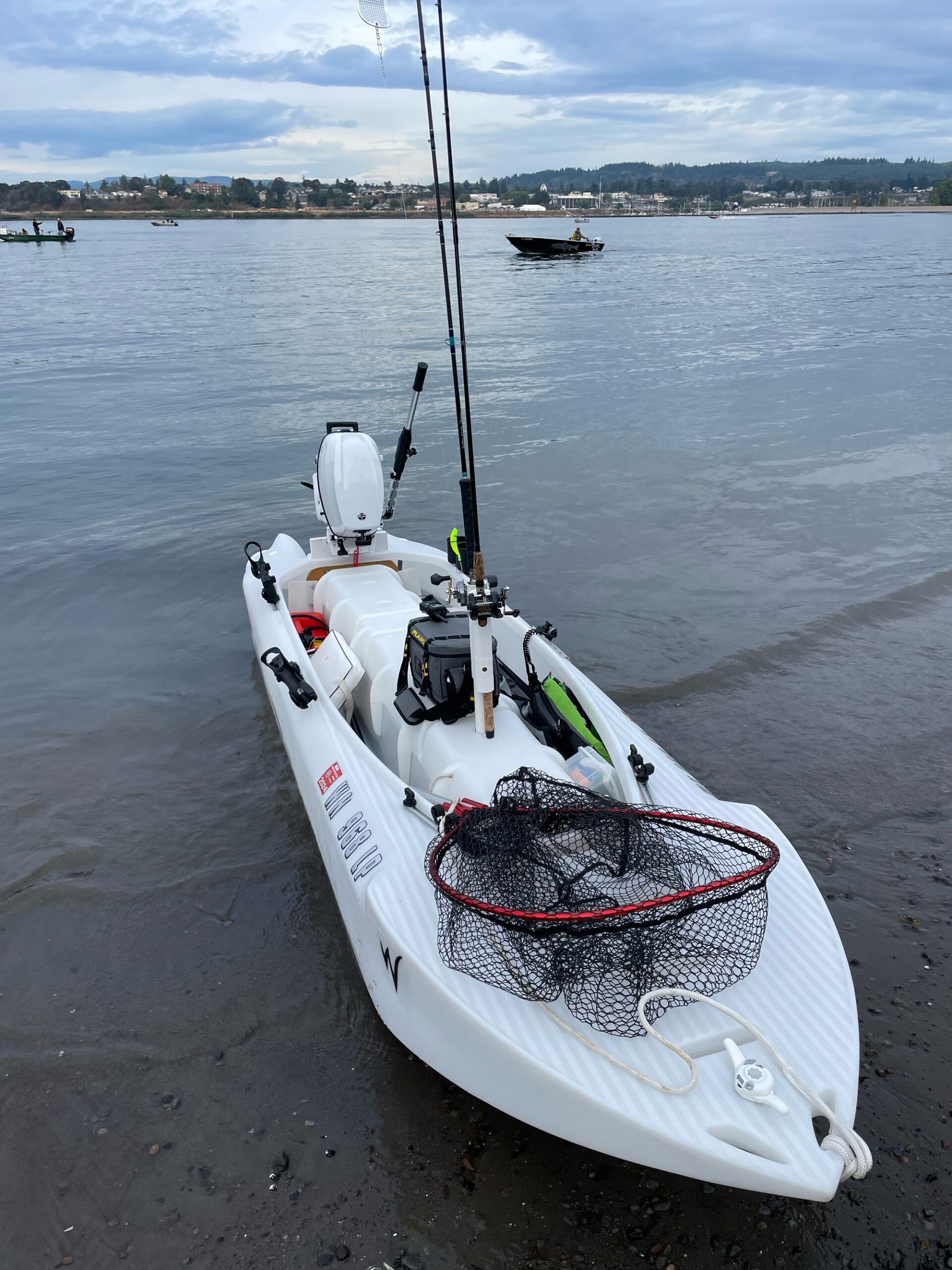
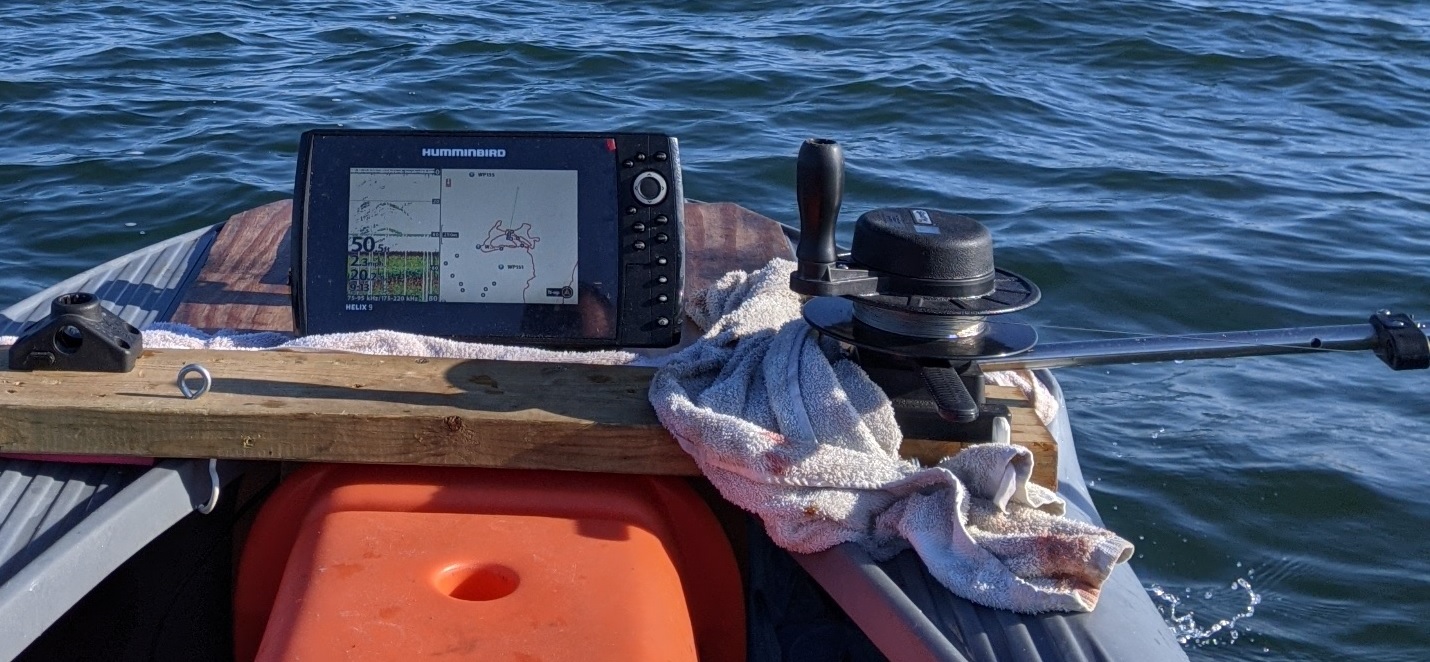
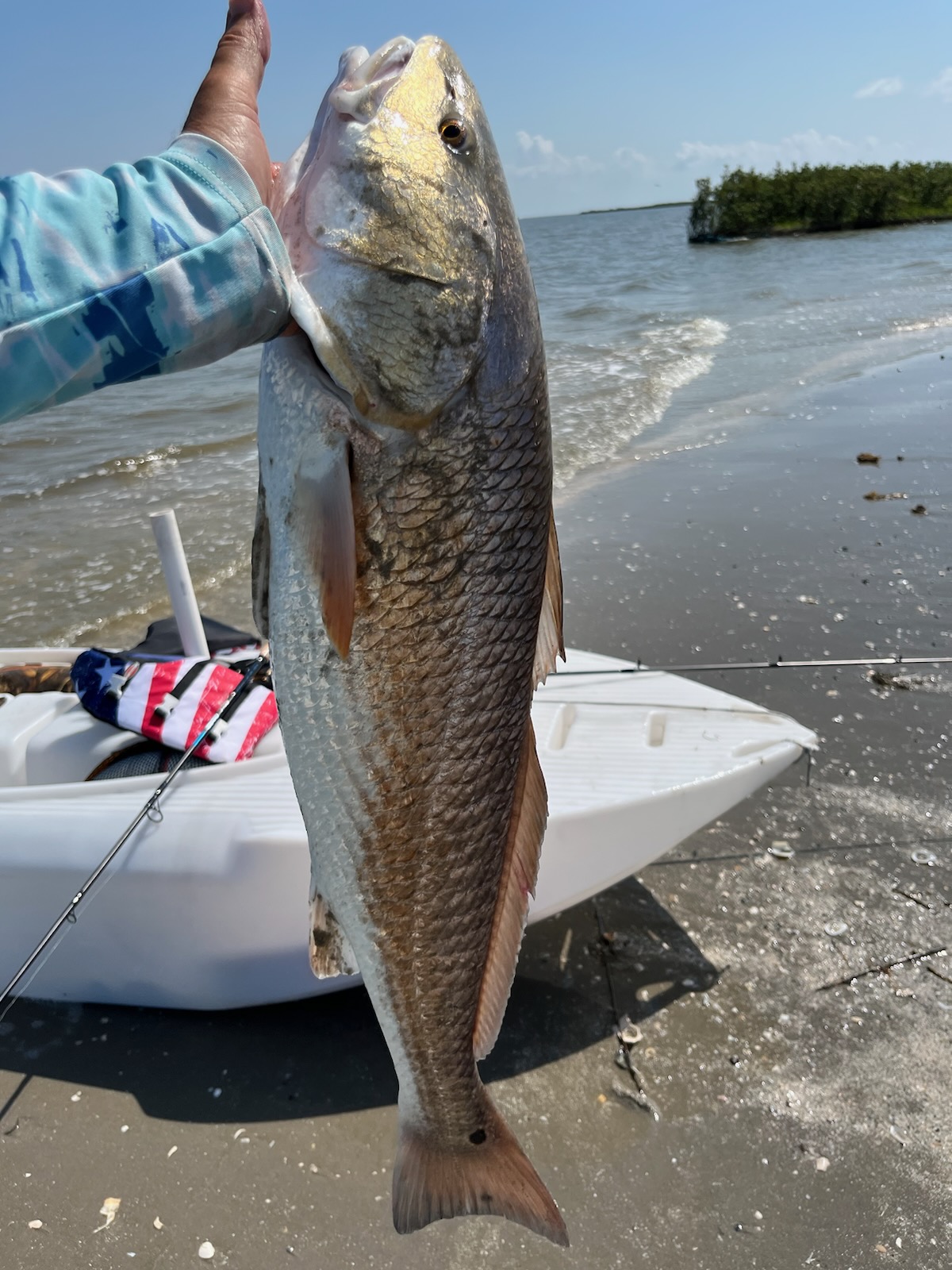
My Wavewalk S4 Microskiff outfitted for fishing salmon and trout

By Kurt Raimer

Washington State

S4 Microskiff outfitted for fishing for salmon and trout WA Pacific NW
S4 Microskiff outfitted for fishing salmon and trout in WA Pacific Northwest

This video shows how I added accessories and gear to my Wavewalk Microskiff –

I’ve been enjoying the boat and have caught trout and salmon from it. I’m very happy with this boat and the way it runs. It’s very stable and I can stand up in it and do fifteen miles an hour if the conditions are right.

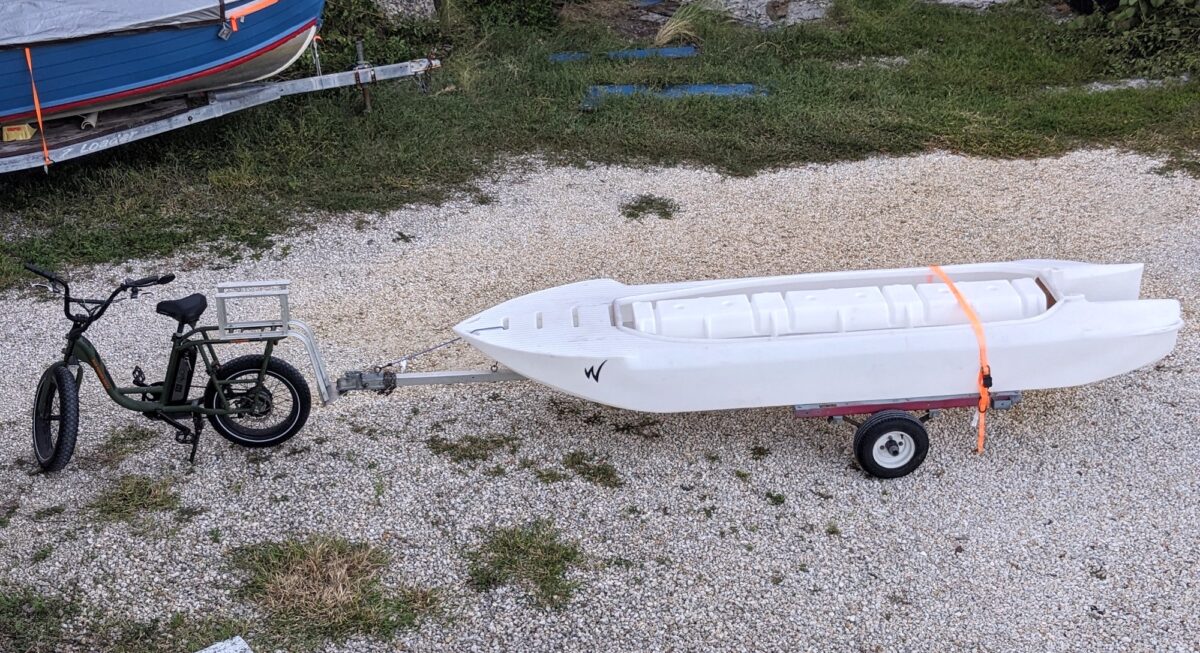
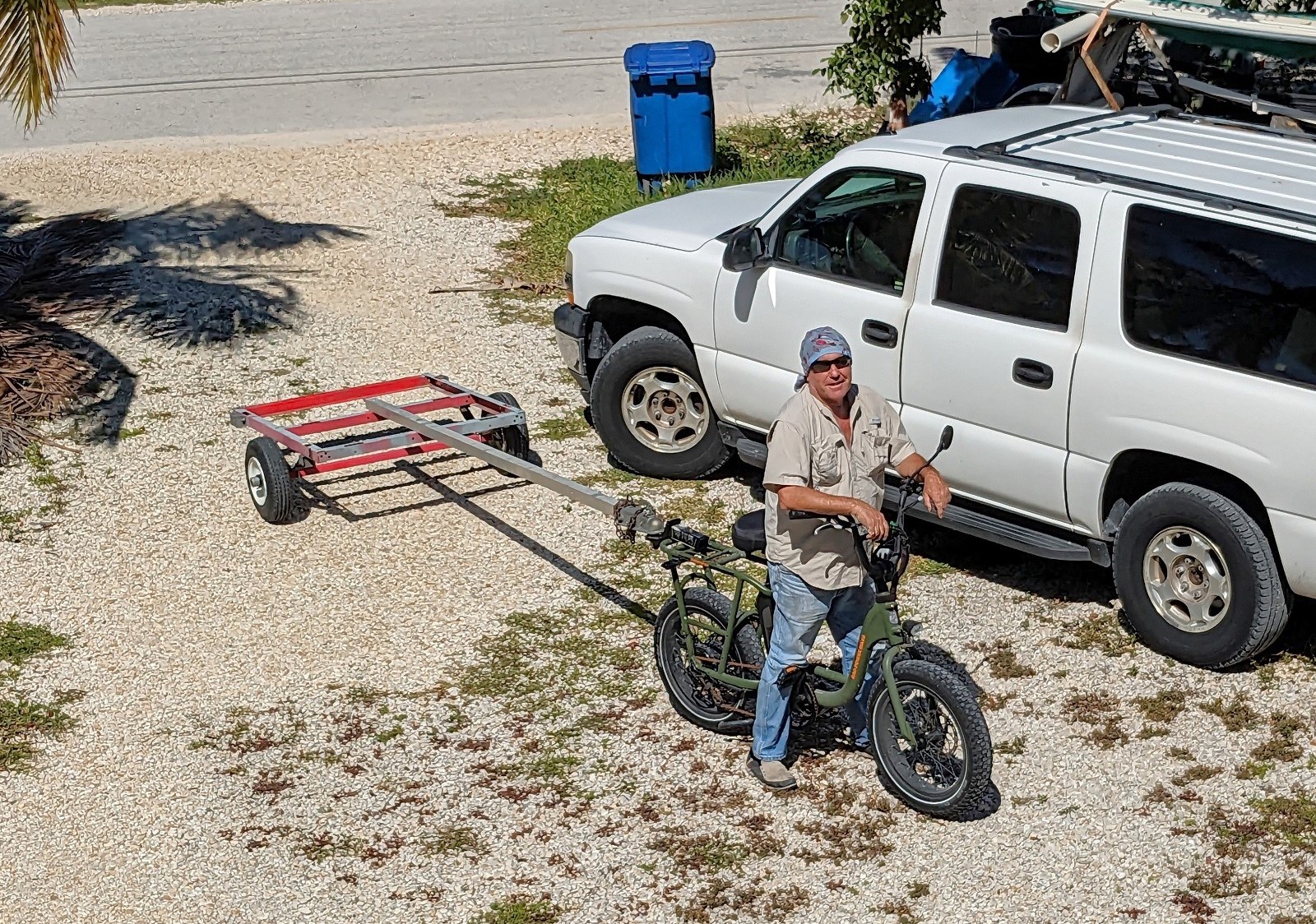
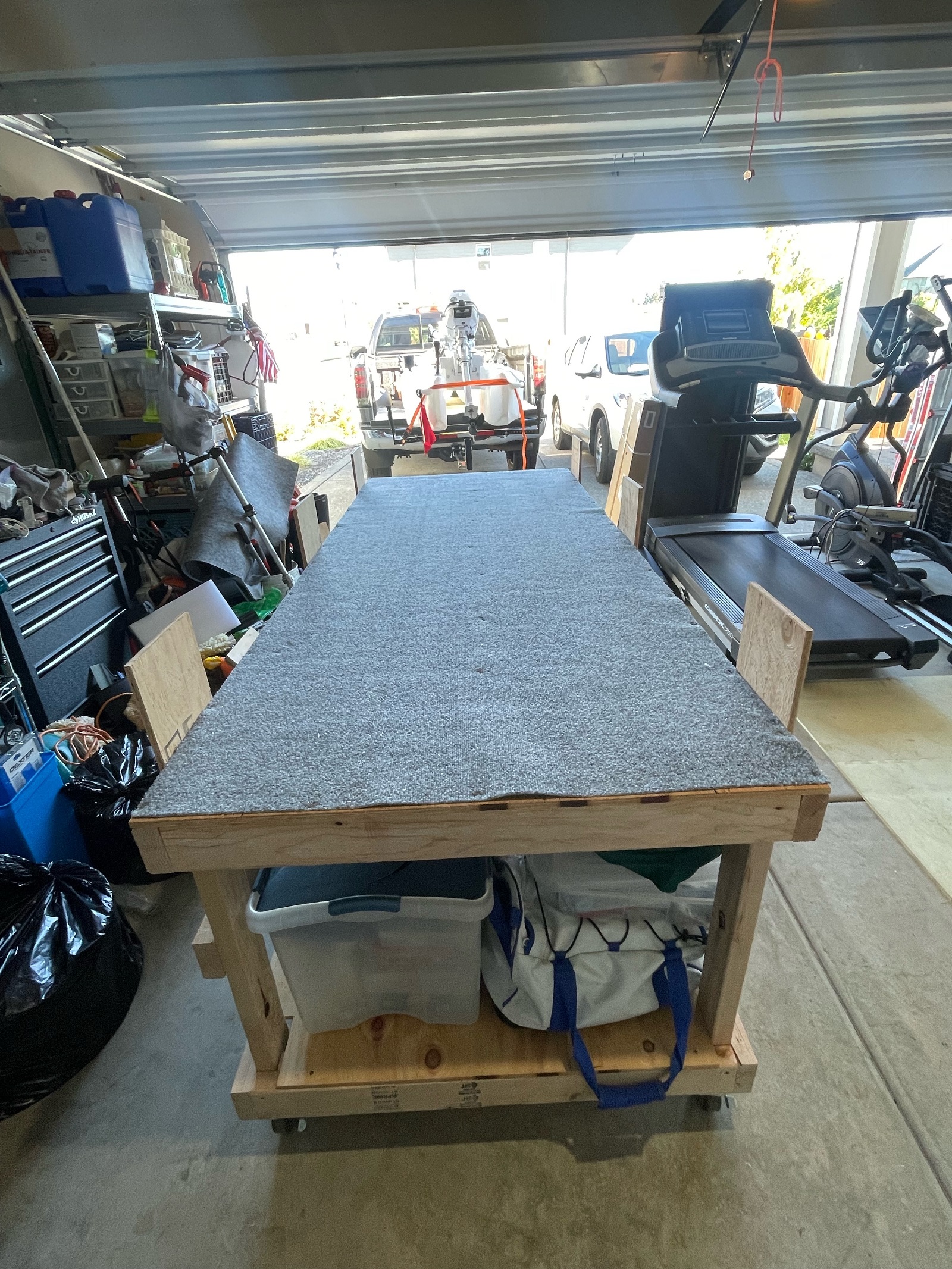
platform for storing S4 microskiff
Platform for storing the S4 microskiff in my garage

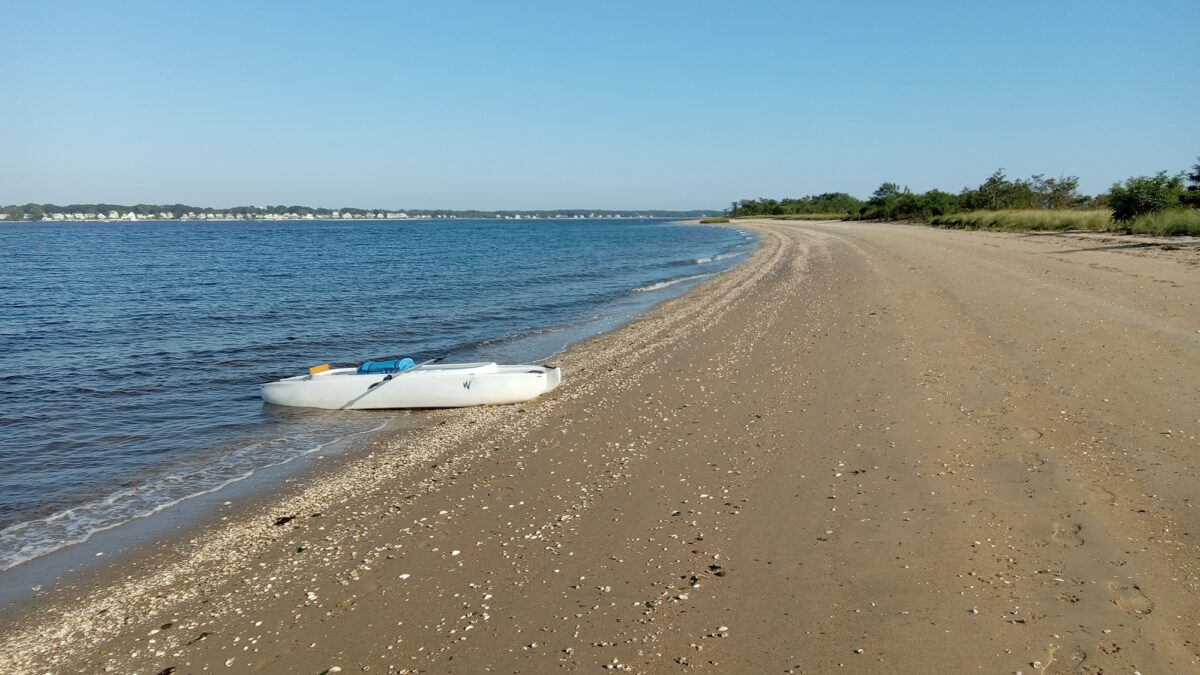
Just a nice, easy, hassle free paddling trip in the W720 kayak

Sometimes we tend to forget how enjoyable a simple paddling trip can be, if you have the right kayak –

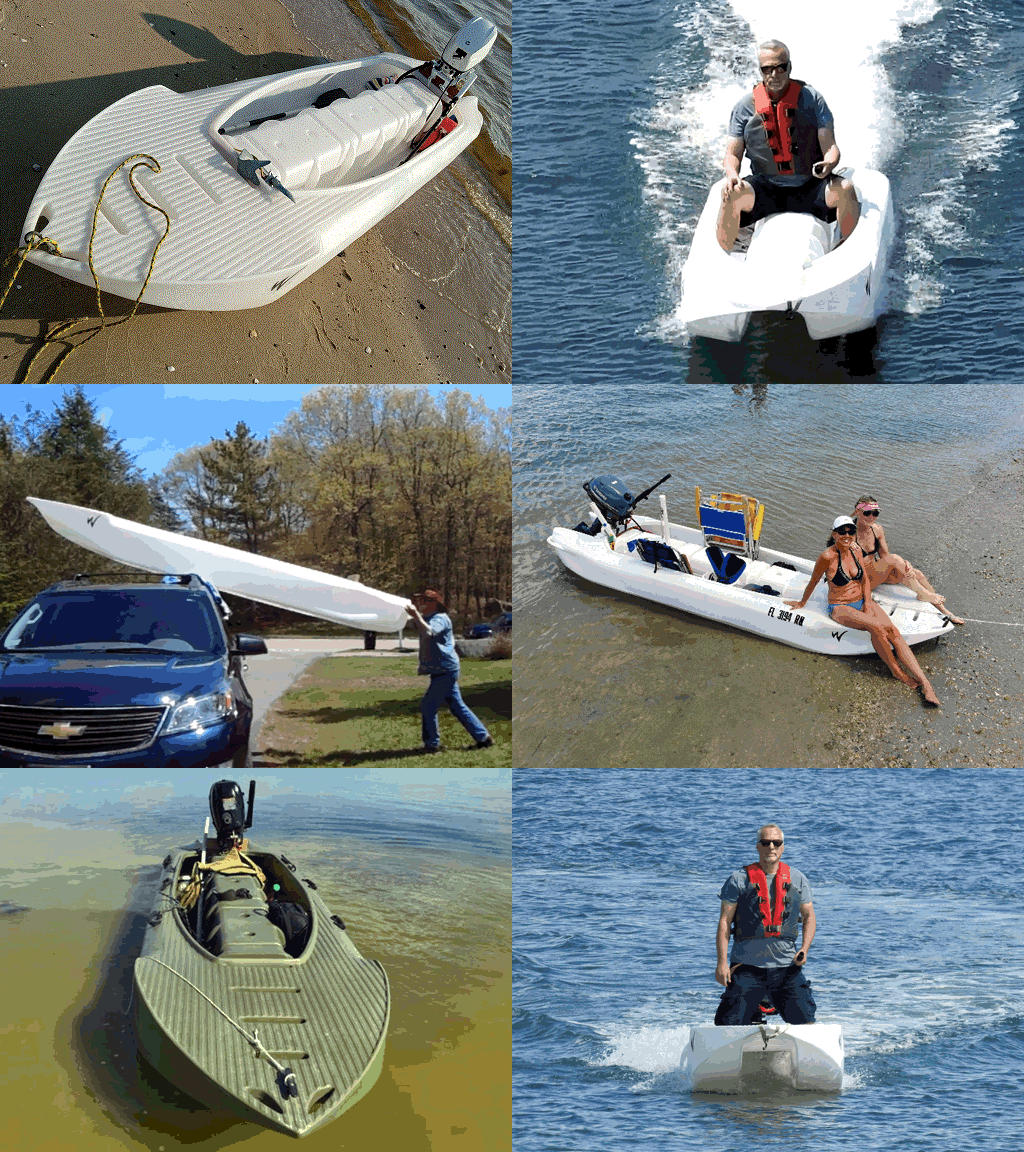
Carrying the W720 down to the beach is easy, thanks to its two front carry handles. It just glides on the sand on its two rear catamaran hull tips, like a sled, and there is no need for you to worry about flipping it, because it won’t happen.

Then you push your W720 into the water almost entirely, and you step into  its cockpit from between the two rear hull tips, without having to step in the cold water (it’s autumn in New England…).
You sit on the saddle seat, with a leg in each hull, you push with your paddle against the sandy bottom a couple of times in order to detach the kayak from the beach, and you start paddling –
You don’t have to worry at all about the stability of your kayak at any time during your trip. No worries at all. Every bit of effort you save on balancing yourself and stabilizing you kayak is a net gain for you in terms of having more power for paddling, and enjoying a better experience.
You don’t have to pay attention to the chop, and you don’t care about big motorboats driving by at full throttle while throwing big wakes that can exceed 3 feet in height. These just roll under your W720, whether you encounter them frontally or in a sharp angle, or from the broadside, or from the rear. They’re a mere distraction, and they can be fun if you feel like playing.

Tracking is easy thanks to the W720 straight catamaran hulls, and there is absolutely no need for you to operate an annoying rudder. Wind, currents and chop are not problematic as they can be when you paddle other kayaks, or a canoe.

Paddling is easy, thanks to the comfortable and powerful Riding position that allows you to use your entire body, without experiencing back pain, leg numbness, or other discomfort. Thankfully, this is not a common kayak, and it doesn’t force you to sit and paddle in the uncomfortable L position.

It’s no longer summer, and the water is getting cold, so you don’t necessarily want to get your clothes wet, because the combination of wet clothes and a 10 mph wind wouldn’t feel that great, but don’t worry, because the high free board of your W720 protects you from spray.

Do you feel like paddling standing? No problem, since all you have to do is just stand up and paddle. The W720 is infinitely more sable than any SUP (stand up paddling) board out there, and you stand in it with your feet as low as possible, that is below waterline, so paddling standing is stable, easy, and fun, and you can practice various paddling techniques (kayaking, SUP, canoeing), and switch between them according to your liking and/or water condition.

Since all typical kayaking problems are eliminated, paddling is easier and more fun, exactly as it should be.

When you return to your launching spot, beaching your W720 doesn’t require that you step in cold water, because you can step out of the cockpit from between your W720 two front hull tips that rest on dry sand, or at least relatively dry.

On another day, when weather conditions aren’t good, you can mount your small outboard motor on your W720 kayak-skiff, and paddle as far as you can, without worrying about being too tired to paddle back, because the motor will propel your boat better than you, even with a second passenger on board.
The W720 weighs only 85 lbs, and since a 2.5 HP weighs around 30 lbs, you’d be able to pull it up the beach with the motor still attached to it.


PS — The blue thing seen on top of the W720 saddle is a folded thin Polyethylene foam camping mattress that’s strapped to it.

Do you have any questions for us?

Click to send us an email Click to send us a text message Click to call us

Driving Your S4 Microskiff and W720 Kayak-Skiff

Best Way To Steer  Your S4 Microskiff and W720 Kayak Skiff

The differences between steering with a U-Jointed tiller extension and steering with a regular extension, or no extension at all.

U-jointed tiller extension
U-jointed (articulated) tiller extension

First, it’s important to clarify here that when you drive using a U-jointed tiller extension, you use both your left hand to grab the tiller handle, and the left side of your body to gain additional mechanical support (leverage).  You can get additional support from your left elbow. In some cases you can even use both hands. This method makes driving easier, and it’s different from steering using a simple tiller extension that you typically just grab with your left hand, unless you have to make a sharp left turn, which may require that you grab the handle with your right hand, and hold it behind your back.

When is steering the S4 or W720 directly with the tiller preferable to steering it with a U-jointed (articulated) tiller extension?

The answer is that typically, driving with a U-jointed tiller extension works best, for the following reasons:

  1. If you want to drive standing up, you need a tiller extension, since your outboard’s tiller is not long enough to allow for this.
  2. If you’re driving solo, you’d better use a tiller extension because if possible, you want to drive your S4 and W720 from the middle of the cockpit, and not from the stern, since this helps keeping the boat level (trim it), which improves its speed.
  3. If you have a passenger on board sitting in front of you, you don’t necessarily need a tiller extension, because the additional weight at the front would keep the boat level, but using a U-jointed tiller extension is more convenient because you keep your left forearm on your side and not behind your back. It’s also more fun, because it allows you to drive standing up when you feel like it.
  4. You can drive the S4 Microskiff sitting and facing sideways on its saddle (side-saddle), with both your feet in its left hull, and your left hand holding the tiller handle. There is no major problem with this traditional way of driving dinghies, except that driving while facing forward is more convenient because it offers a better view of where you’re going and what’s going on on both sides of your boat, and not just on its left side. Facing forward with a foot in each hull also makes balancing yourself and the boat easier, especially in choppy water, and when you have to deal with big wakes from fast motorboats.
    Note that the hulls of the W720 are too narrow for driving seated in the side-saddle position.
  5. Interestingly, driving with a U-jointed tiller extension is more intuitive than driving without one, because driving with it makes the boat go in the same direction that your hand points to, unlike when you drive without it, and you need to remember that whichever direction your hand will move in, the boat will go in the opposite direction…
The Benefits Of Extending Your U-Jointed Tiller Extension

For years, we’ve been successfully using U-jointed tiller extensions, and recommending them to our clients. We recently outfitted such a device with a short tiller extension at its end, which elongated it by 13 inches.
Driving both the S4 Microskiff and W720 Kayak-Skiff with this extra-long U-jointed tiller extension yielded good results – It enabled the driver to sit further forward, towards the middle of the boat, as well as drive more comfortably standing up.
Therefore, we recommend trying such an extra long U-jointed tiller extension if you’d like to drive your S4 or W720 standing, such as when you’re sight fishing , and in order to slightly improve speed on flat water.

Joysticks, Control Boxes, and Steering Wheels

Steering the S4 Microskiff and the W720 Kayak-Skiff is different from steering a full size skiff, and it typically involves direct steering with the outboard motor’s tiller, or preferably, by means of a U-jointed tiller extension.
The S4 and W720 can be effectively steered both ways.
Other, more complex steering systems include joysticks, control boxes, and steering wheels.

The reasons why S4 and W720 owners don’t outfit their boats with the steering systems are –

  1. First, unlike control boxes and tiller extensions, steering wheels and joysticks don’t offer the driver direct control of the motor’s throttle, so the driver has to turn around and grab the tiller handle each time they need to to change the motor RPM. This is inconvenient, and it’s hazardous in case of emergency, or in case of tight maneuvering, when quick reactions are needed.
  2. S4 and W720 owners prefer not to outfit their boats with steering systems because they add complexity in connecting and disconnecting the motor, and they take space inside the cockpit. Having a boat that is so simple, versatile, lightweight and portable as the S4 or W720 is very advantageous, and their owners are reluctant to give up any of these advantages.
  3. Steering with a wheel, a control box, or a joystick, can work if you’re seated, or standing, but in order for them to work in both positions, you’d need to come up with a special adaptation, which could be tricky.
Steering Console – Yes or No?

The S4 and W720 are the world’s two most lightweight microskiffs, and weight is a very important factor to consider. Even adding just a few dozen pounds to the boat’s total weight can have a serious effect on its portability, both in terms of transportation (e.g. the difference between car-topping and needing a trailer) and carrying, namely the ability to access more difficult launching spots instead of depending on boat ramps –
You want to have as much portability as possible, because it defines your freedom to launch, go, and beach anywhere (coincidentally, this has always been Wavewalk’s motto).
This is to say that adding a console with a steering wheel or control box to the S4 cockpit sounds like a cool idea, but we think that overall it’s not necessarily a good one, unless you intend to keep the boat docked year round, or at least for the entire season, and/or you don’t mind having to transport it on a trailer.

As for adding a console to a W720, it seems excessive to begin with.

Our Experience With Joystick Steering

Years ago, Wavewalk developed a joystick steering system for its W700 series. It was easy and fun to use, and it allowed for intuitive and effective steering both seated and standing, without adaptation. However, we decided to discontinue that joystick product for three reasons:

  1. The first reason was that our joystick steering system did not incorporate a throttle function, and in this sense it was significantly inferior to a U-jointed tiller extension, which offers this important functionality in full.
  2. The second reason was that it took valuable space in the middle of the cockpit, but steering with a U-jointed tiller extension offers similar benefits, namely that it allows for driving both seated and standing, while taking far less space, located in the rear area of the cockpit, which is less useful for seating passengers, and/or for keeping fishing gear.
  3. The third reason was that we didn’t expect to sell many units of that product, and it was rather expensive to manufacture in small series.

Do you have any questions about this article?

Click to send us an email Click to send us a text message Click to call us